Many new drivers stack public programs and employer offers until there is little left to pay. Start at your local American Job Center, which handles most public training money. Call 1-877-US-2JOBS or search “American Job Center near me.” (DOL)
More ways to pay, including Trade Adjustment Assistance, SNAP training funds and the military skills test waiver, are on the Careers page, along with a CDL school finder.
The trucking industry has long reported one, but a BLS study found the gap is mostly in long-haul freight, and even the American Trucking Associations’ chief economist has said cement and dump truck drivers are not part of it. (BLS Monthly Labor Review; FreightWaves, 2018) For vocational jobs, the real story is steady demand: BLS expects about 214,500 openings a year for heavy truck drivers. (BLS)
How long does it take to get a CDL?
Most people take a few weeks to a few months. Community college Class A programs can run four to nine weeks, and you must hold your learner’s permit at least 14 days before the skills test. DMV test dates can add more time.
Can I get CDL training for free?
Often, yes. WIOA funds through your local American Job Center, the GI Bill, registered apprenticeships and employer-paid training can cover most or all of the cost. Ask about payback terms before you sign anything.
Do I need a Class A or Class B CDL for vocational jobs?
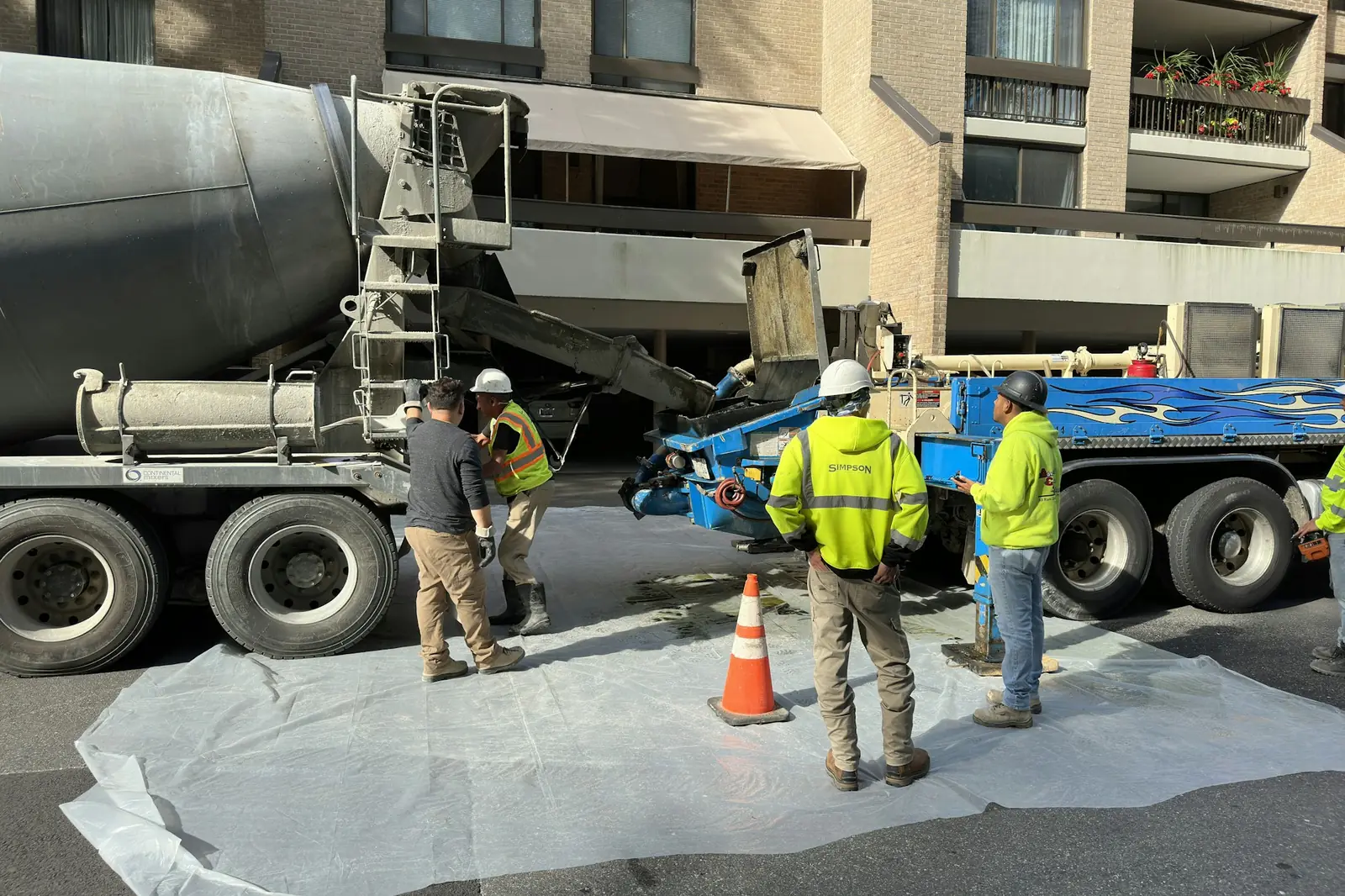
Class B covers most single work trucks: dump, mixer, refuse, bucket and plow trucks. You need Class A for combinations such as tractor-trailers, transfer dumps and lowboys.
Do I need entry-level driver training (ELDT)?
Yes, if you got your permit on or after Feb. 7, 2022 and are getting your first Class A or Class B CDL, upgrading from B to A, or adding a first school bus, passenger or hazmat endorsement. The training must come from a provider on FMCSA’s Training Provider Registry.
How much do dump truck drivers make?
BLS does not track dump truck drivers on their own. Heavy and tractor-trailer truck drivers earned a median of $58,640 in May 2025, and $56,080 in construction. Your pay depends on your area, the employer and union rates.
Is there a truck driver shortage?
The trucking industry says yes, but BLS research found the gap is mostly in long-haul freight. Vocational jobs see steady openings either way: BLS expects about 214,500 openings a year for heavy truck drivers.
Can I drive a truck at 18?
Yes, within your own state. Nearly every state issues CDLs at 18 for in-state driving, but federal rules require drivers to be 21 to cross state lines. Most vocational jobs are local, so it is a good place to start.
Are vocational driving jobs home every night?
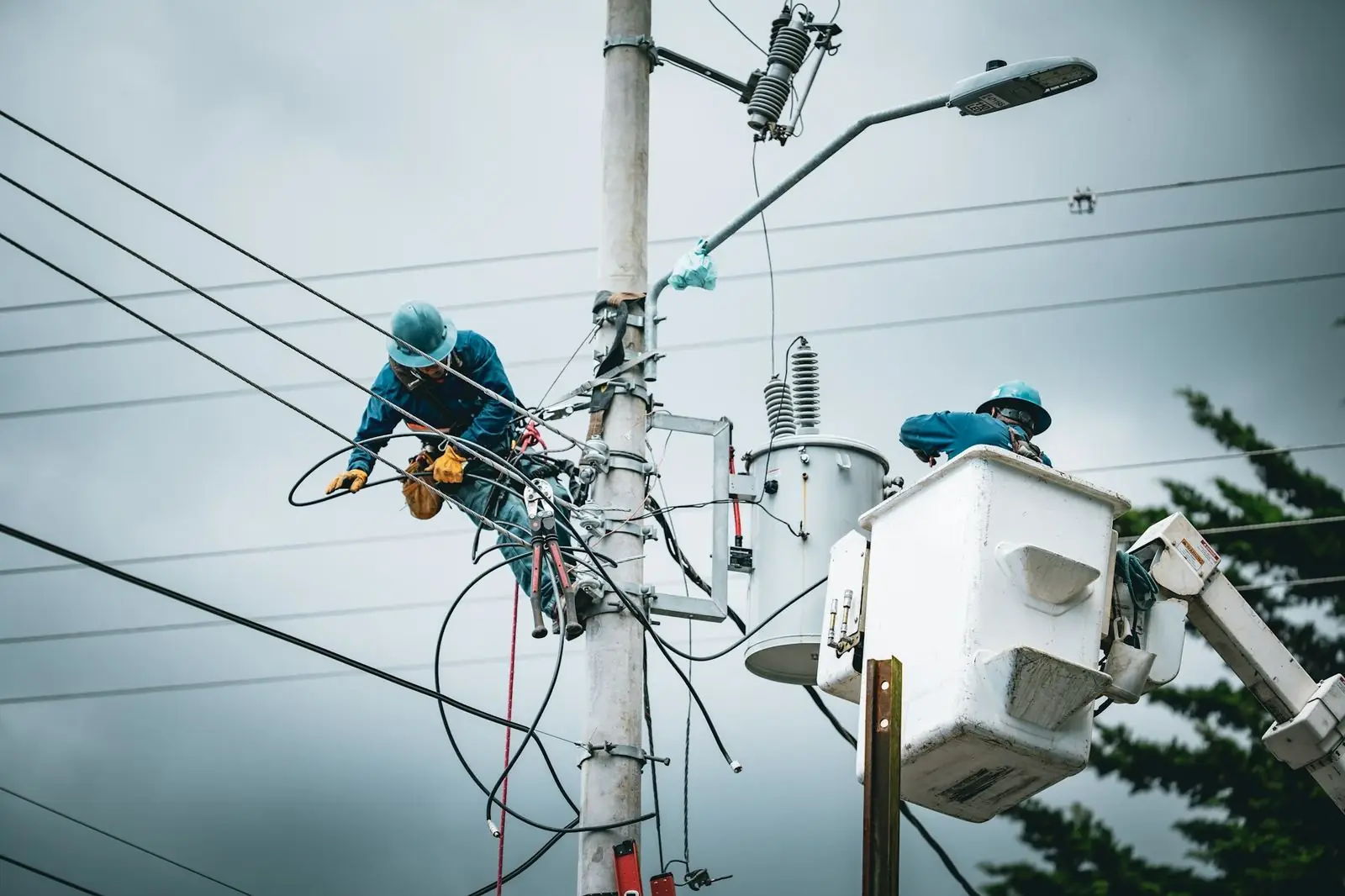
Most are. Dump, mixer, refuse, utility and plow work is usually local or regional, so drivers are home most nights. Storm work, snow season and big pours can mean long days.
Do I need to speak English to get a CDL?
Yes. Federal rules require CDL drivers to read and speak English well enough to talk with officers and read road signs. Since June 25, 2025, drivers who cannot can be placed out of service at a roadside inspection.
Figures were checked against each source on Oct 21, 2026. Fees, tuition and scholarship deadlines change, so confirm them with your state DMV and school. This article is general information, not legal advice. No school or company paid for or reviewed it. See something out of date? Send a correction.